
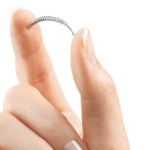
 Bayer has announced that it will stop selling its controversial Essure contraceptive implant in the United States by the end of the year. Bayer said the decision was based mostly on declining sales and blamed “inaccurate and misleading publicity” as a key factor. “The benefit-risk profile of Essure has not changed,” the company said, “and we continue to stand behind the product’s safety and efficacy, which are demonstrated by an extensive body of research.”
The device has been controversial for years, prompting lawsuits from thousands of women who say the metal implant caused severe complications, including perforation of the uterus and fallopian tubes.
In April, after meeting with advocates for women who said they had been injured by Essure, the Food and Drug Administration required Bayer to restrict sales to doctors’ offices and medical practices that agreed to fully inform patients about the device’s risks. Between Essure’s approval in 2002 and the end of 2017, the FDA received nearly 27,000 reports of adverse events involving the device.
“With side effects ranging from hair loss and tooth loss to chronic pain, severe bleeding, miscarriages and even death, the benefit-risk profile touted by Bayer simply didn’t match the information pouring into the FDA from both patients and physicians,” said Madris Tomes, a former FDA official.
The FDA had also ordered a black box warning on Essure’s label, warning of the device’s serious complications and noting that the implant can migrate into the abdominal and pelvic cavity, possibly requiring surgical removal.
What is Essure?
The Essure implant consists of two small coils made from a nickel alloy and a polyester-like fiber. The coils are placed in the fallopian tubes, where they are designed to trigger an inflammatory response that causes scar tissue to form and block the tubes.
Women who received the implant have reported serious injuries to the uterus and fallopian tubes, severe allergic reactions, and other adverse health effects. Sadly, several deaths, including deaths of infants, have also been attributed to the device.
Essure Side Effects and Serious Complications
The U.S. Food & Drug Administration (FDA) required Bayer to warn of the injury risk in 2016 with an official product warning, and again in April 2018 by restricting sales to medical practices and doctors’ offices that agree to fully inform women about the device’s risks. Meanwhile, the U.S. remained the only country where Essure was still being sold, and reports from women describing serious health problems caused by the device kept growing. The FDA has listed the following short-term and long-term risks of the implant.
Short-term risks reported in clinical trials include:
- Mild to moderate pain during and immediately after the Essure placement procedure.
- Cramping, vaginal bleeding, nausea, vomiting, dizziness, lightheadedness, and pelvic or back discomfort immediately after the procedure.
Long-term risks reported in clinical trials include:
- Unintended pregnancy
- Abdominal, pelvic or back pain
- Perforation of the uterus or fallopian tubes
- Inserts found in the abdominal or pelvic cavity
Other reactions included in medical device reports submitted to the FDA include:
- Headache
- Fatigue
- Weight changes
- Hair loss
- Mood changes, including depression
- Allergy or hypersensitivity reactions
- Joint or muscle pain
- Muscle weakness
The FDA has also heard from thousands of women who used the device and experienced chronic pain, abnormal menstruation, perforation of the fallopian tubes, uterus or bowel, autoimmune disorders, life-threatening ectopic pregnancies, and even infant death.
Bayer continues to deny that the device is dangerous or that it caused any injuries, and instead blames “inaccurate and misleading publicity” and hype in popular culture, entertainment and social media as a key factor behind the injury claims.
Bayer settled most U.S. Essure claims in 2020.